


A garden brings in wildlife when it has water, food and cover.
We cover the ponds, planting, hedging and nesting boxes that bring birds, bees and other wildlife into a Lincolnshire garden.
More homeowners now want garden designs that need less upkeep and bring in birds, bees and other wildlife. Porcelain patios and composite decking are still in demand. A wildlife garden sits alongside them, with planting and water built into the same design.
Reshape Landscaping Ltd builds gardens for wildlife as well as for people. These are the practical ways to bring birds, bees, butterflies and other wildlife into a garden, from the pond to the hedging.
THE SHORT VERSION
- Water brings in more wildlife than anything else in a garden.
- A pond needs one shallow, sloping side so animals can get in and out.
- Native trees and shrubs give food, shelter and nesting spots.
- Bird feeders, nesting boxes and insect hotels add to what the planting provides.
- We design and build wildlife ponds and water features across Lincolnshire.
ON THIS PAGE
- The Quick Answer
- Introduce a Water Feature or Garden Pond
- Building a Wildlife Pond
- Plant Wildlife-Friendly Trees and Shrubs
- Planting for Bees and Butterflies
- Add Bird Feeders and Nesting Boxes
- Hedging, Log Piles and Gaps for Hedgehogs
- Wildlife-Friendly Lawns and Mini Meadows
- What to Ask About a Wildlife Pond
- Frequently Asked Questions
- Areas We Cover
- Book Your Free Site Visit
The Quick Answer
To attract wildlife into a garden, give it water, food and cover. A pond or water feature with a shallow, sloping edge brings in birds, frogs and insects. Native trees, shrubs and hedging provide food and nesting spots, and long-flowering plants feed bees and butterflies from spring to autumn. We design and build wildlife ponds, water features and planting schemes in Lincoln, Gainsborough, Scunthorpe, Sleaford and the surrounding areas.
Introduce a Water Feature or Garden Pond
Water is the single biggest draw for wildlife. It does not have to be a large pond. A small water feature in the right spot brings in birds and insects.
Water brings in frogs and newts, and gives birds and pollinators somewhere to drink and bathe. For the best results:
- Build one side of the pond with a gentle slope so frogs, newts and hedgehogs can get in and out.
- Plant native plants or shrubs around the water for shelter and cover from predators.
- Keep chemicals out of and away from the water, as they harm wildlife.
We design and build water features and wildlife ponds to fit the garden, whatever its size.
WHAT WE ARE FINDING ON SITE
Building a Wildlife Pond
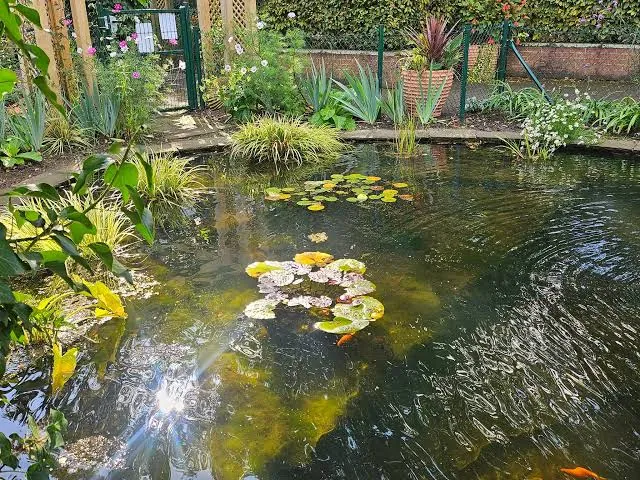
A wildlife pond is built with at least one shallow, sloping side so frogs, newts and hedgehogs can get in and out, and deeper water towards the middle. The liner sits on a protective underlay, and the edges are finished with stone, gravel or planting rather than a sheer drop.
Planting goes in at different depths: marginal plants around the edge, oxygenating plants below the surface and water lilies to shade part of the water. Our ponds and water features page covers the ponds we build.
Want a pond or wildlife planting in the garden?
We look at the space, the light and the levels with you and talk through where a pond and planting would work. It is all part of the free site visit.
A wildlife pond goes in through seven stages, in this order. Our ponds and water features page covers the service itself.
Site visit
We choose a spot with some sun, away from overhanging trees, and agree the shape with you.
Dig out
The pond is dug with shelves at different depths and at least one shallow, sloping side.
Underlay
Stones are removed and a protective underlay is laid over the dug-out shape.
Liner
The liner is laid over the underlay and fitted to the shelves.
Edges
The edges are finished with stone, gravel or planting rather than a sheer drop.
Fill
The pond is filled slowly, so the liner settles into the shape.
Planting
Marginal plants go on the shelves, with oxygenating and deeper-water plants further in.
Plant Wildlife-Friendly Trees and Shrubs
The right plants bring far more wildlife into a Scunthorpe garden. Trees and shrubs give food, shelter and nesting spots to birds, insects and small mammals.
These native UK plants do well in Lincolnshire gardens:
- Wild cherry, Prunus avium: the blossom feeds pollinators and the fruit feeds birds, mammals and insects.
- Dogwood, Cornus sanguinea: a compact shrub that suits smaller gardens, with nectar and shelter for wildlife.
- Dog rose, Rosa canina: scented flowers in summer and red hips in autumn, for bees, insects and birds such as redwings and waxwings.
We can pick and place the mix of trees, hedging and flowering shrubs that brings wildlife in and still fits the garden design.
| Option | What it gives | Brings in | Upkeep | Where it goes |
|---|---|---|---|---|
| Wildlife pondBrings the most in | Water for drinking, bathing and breeding. | Frogs, newts, birds and insects. | Clearing leaves and thinning plants once a year. | A spot with some sun, away from overhanging trees. |
| Native hedgingFood and cover | Berries, nesting cover and shelter. | Birds and small mammals. | A trim outside the nesting season. | Boundaries, in place of a fence. |
| Flowering bordersSpring to autumn | Nectar and pollen through the year. | Bees and butterflies. | Cutting back once a year. | Sunny borders and raised beds. |
| Log pileShelter | Damp cover in a shady corner. | Beetles, insects and hedgehogs. | None. | A shaded corner or behind a shed. |
Planting for Bees and Butterflies
Bees and butterflies need flowers from early spring to late autumn. Spring bulbs, flowering shrubs and perennials such as lavender, salvia, echinacea and sedum keep something in flower through the year.
Single, open flowers are easier for bees to feed from than double ones. Planting in groups rather than single plants dotted along a border also makes the flowers easier for them to find.
Water brings more wildlife into a garden than anything else we build.
Reshape Landscaping Ltd, LincolnRecent projects
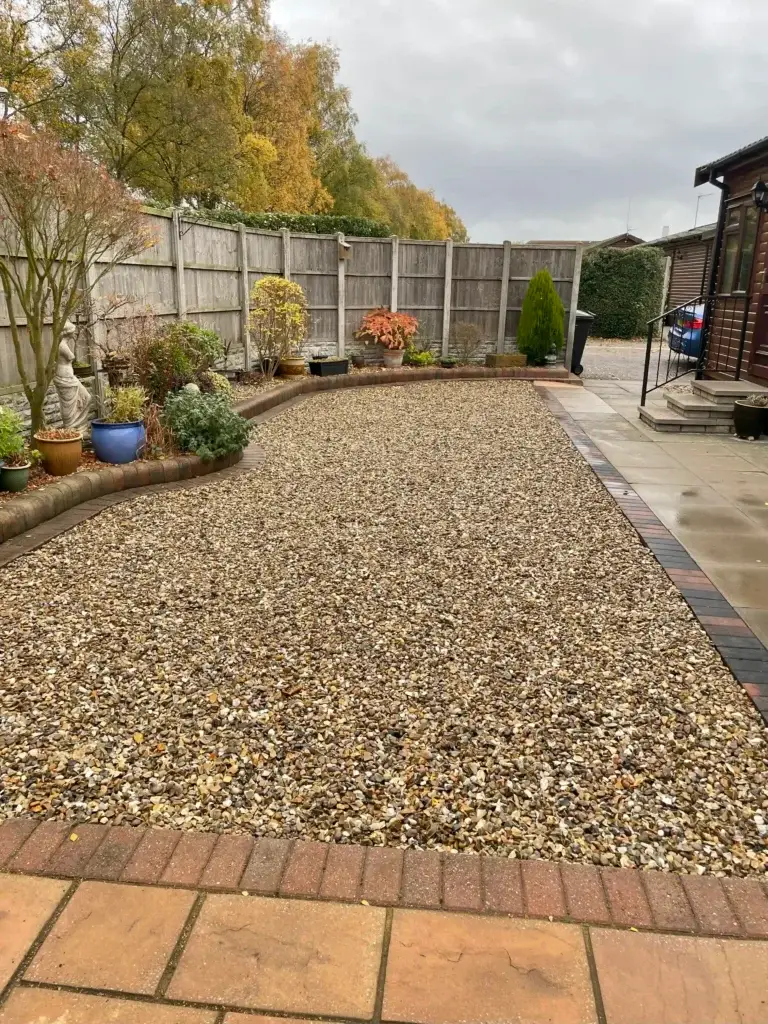
RECENT PLANTING AND BORDERS
Add Bird Feeders and Nesting Boxes
Bird feeders and nesting boxes are the quickest way to support local birds. They top up natural food through winter and give birds a safe place to nest.
To get the most from them:
- Place feeders in quiet, sheltered areas near trees or hedges.
- Put out a mix of nuts, seeds and suet to bring in different species.
- Clean feeders regularly to prevent the spread of disease.
Bird boxes, bat boxes and insect hotels add to what the planting provides. These small additions bring in a wider range of species.
Hedging, Log Piles and Gaps for Hedgehogs
Native hedging such as hawthorn, blackthorn and hazel gives birds food and nesting cover, and makes a softer boundary than a fence. Where a fence is needed, a small gap at the base of one panel lets hedgehogs move between gardens.
A log pile in a shady corner and a strip of grass left to grow long give insects somewhere to live through the winter. Both can be left alone once they are in.
Wildlife-Friendly Lawns and Mini Meadows
Leaving part of a lawn to grow long through summer lets wildflowers such as clover and daisies come through for bees. A mown path through the long grass keeps it looking deliberate.
A strip sown with native wildflower seed does the same on a larger scale. We build wildlife-friendly gardens, ponds and planting schemes in Lincoln, Gainsborough, Scunthorpe, Sleaford and throughout Lincolnshire.
Explore the rest of what we do
What to Ask a Landscaper About a Wildlife Pond
Before booking a pond, ask how the edges will be shaped and whether there is a shallow side for wildlife to get in and out.
Ask what the liner will sit on. A liner laid straight onto the ground can be punctured by stones and roots.
If a contractor skips any of the stages above, ask what they are leaving out and why.
It is also worth asking to see finished ponds. Our recent projects show completed ponds and water features from across Lincolnshire.
WHY HOMEOWNERS PICK US
We’re a British-owned and run landscaping company based in Lincoln, covering the city, Gainsborough, Scunthorpe, Sleaford and the surrounding areas.
- Established in 2010, with over 400 completed projects.
- Prestige Awards 2026 – Landscaper of the Year, Lincolnshire.
- Houzz 2026 Best of Service award, judged on customer feedback.
- Midlands Enterprise Awards 2026 – Best Bespoke Garden Landscaping Service, Lincolnshire.
- Approved installers for Talasey Landscaping Solutions and Select Living Group.
- Helped design and build a Japanese-inspired garden featured on ITV’s Best of Gardens.
- Qualified through the National Design Academy.
- Insured, including public liability.
Wildlife Gardens: Frequently Asked Questions
What is the easiest way to attract wildlife to a garden?
Water and planting. A small pond or water feature brings in birds, frogs and insects, and native shrubs and long-flowering plants give food and cover through the year.
When is the best time to build a wildlife pond?
Autumn to early spring suits the build, so the pond can fill with rainwater and the planting can go in as the weather warms in spring.
Can a wildlife garden still be low maintenance?
Yes. Native hedging, shrubs and perennials need little more than a cut back once a year, and a pond needs leaves and excess growth clearing out in autumn.
Do you build ponds and water features?
Yes. We design and build wildlife ponds and water features in Lincoln, Gainsborough, Scunthorpe, Sleaford and throughout Lincolnshire.
How do I make my garden more wildlife friendly?
Add water, plant native trees, shrubs and hedging, choose long-flowering plants for bees, and leave a log pile and a strip of long grass. A small gap at the base of a fence lets hedgehogs through.
Areas We Cover
We design and build wildlife ponds, water features and planting schemes in Lincoln, Gainsborough, Scunthorpe and Sleaford, and throughout the surrounding areas, including Nettleham, Welton, Cherry Willingham, Washingborough, Heighington, Branston, Waddington, Saxilby, Skellingthorpe and Market Rasen.
Book Your Free Site Visit
We’re Lincoln based landscapers and winners of the Prestige Awards 2026 – Landscaper of the Year, Lincolnshire. We design and build ponds, water features and planting schemes in Lincoln, Gainsborough, Scunthorpe and Sleaford, and throughout Lincolnshire. Our ponds and water features page covers each one.
Every project starts with a consultation and a site visit. We then send a written quote setting out each stage of the work. Send your address and a few details of the garden and we will come back to you, or use our contact page.
We reply to every enquiry within 48 hours.
Keep reading
Get a Free Quote
We lay patios, paving and full gardens in Lincoln, Gainsborough and across Lincolnshire.