

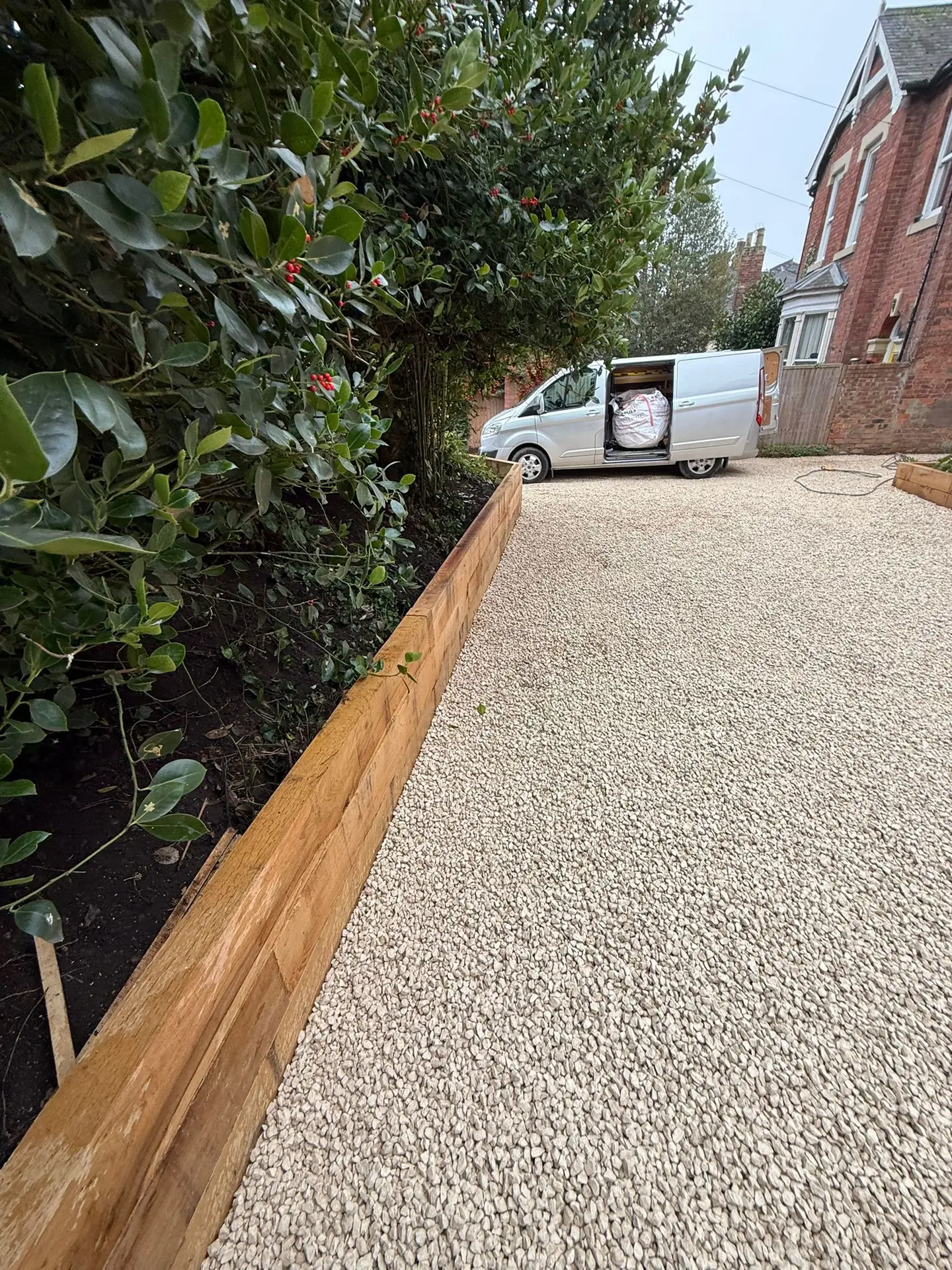
Raised Beds
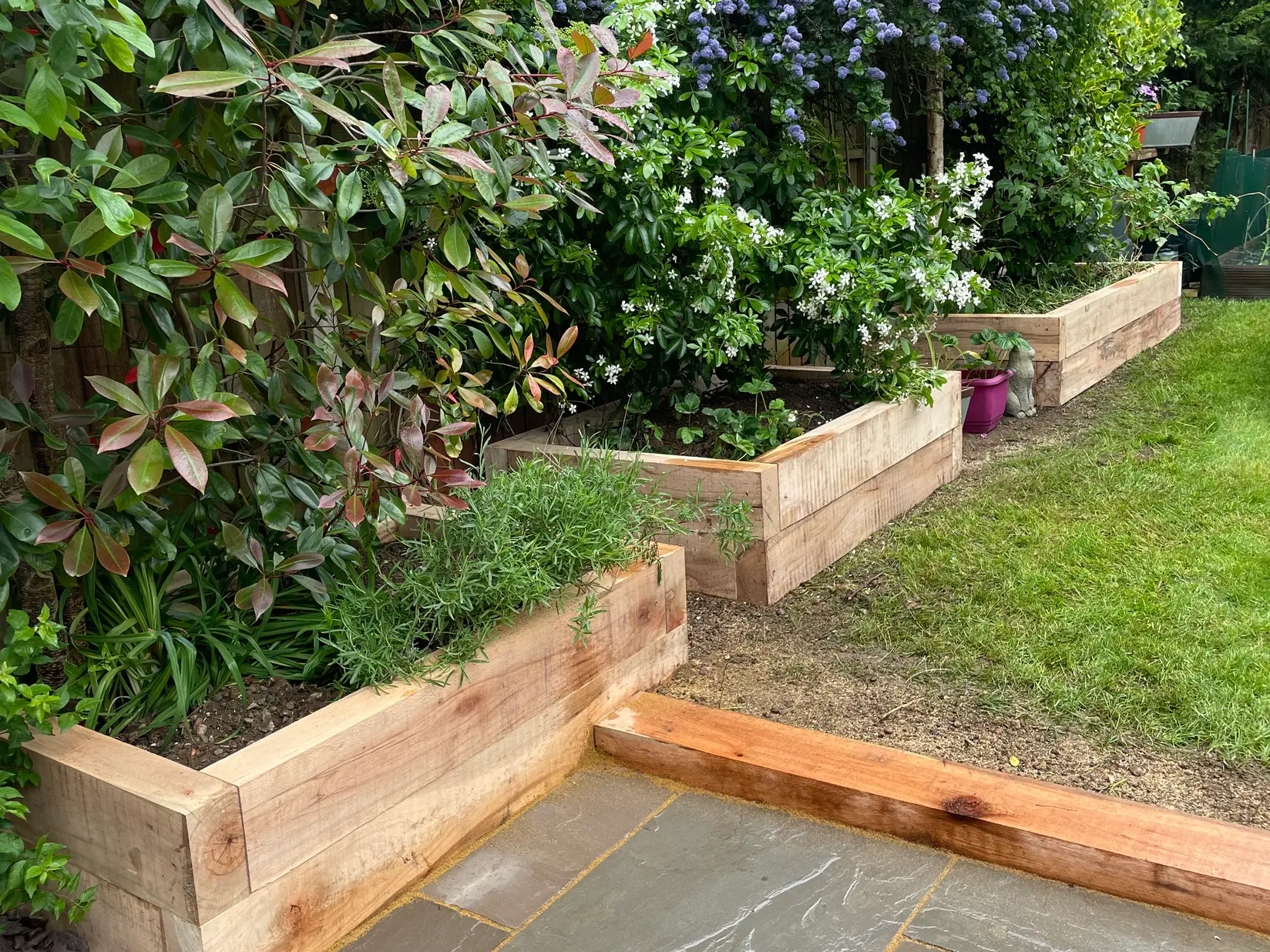
Raised Beds Lincoln
Raised beds provide structure, improve planting conditions, and clearly define planting areas, making them practical and visually strong. As experienced garden designers and landscape gardeners in Lincoln, we design and build raised beds for gardens and outdoor spaces across the region, including Gainsborough, Scunthorpe and Sleaford. By lifting planting areas above ground level, drainage improves, soil control increases, and access becomes easier on sloped or uneven ground.
Timber sleepers offer a natural, cost-effective option with strong visual appeal. Rendered masonry walls provide a clean, contemporary finish with excellent durability. We also build retaining walls where a garden needs its levels held back. For a more refined look, cladded porcelain tiles create hard-wearing surfaces that complement patios and paved areas.
We assess ground conditions, height requirements, and layout before recommending the most suitable construction method. Through careful garden design and installation, the result provides long-term structure, improved planting performance, and a well-finished feature built to last. Our guide to the best time to plant flowers and shrubs in Lincolnshire covers planting through the year.
Get A Raised Bed Quote In Lincolnshire
We are Lincoln based landscapers and winners of the Prestige Awards 2026 Landscaper of the Year for Lincolnshire. We design and build timber, sleeper, brick and rendered raised beds in Lincoln, Gainsborough, Scunthorpe and Sleaford, and throughout Lincolnshire.
Every project starts with a consultation and a site visit, and we then send a written quote setting out each stage of the work. Fill in the form with your address and a few details of the raised beds so we can come back to you, or use our contact page to get in touch.
We reply to every enquiry within 48 hours.
Frequently Asked Questions
What materials can raised beds be made from?
Beds can be constructed from timber, sleepers, brick, block, or stone. The best material depends on budget, appearance, and how long you want the beds to last.
Are raised beds good for drainage?
Yes. They improve drainage by lifting soil above ground level, making them ideal for gardens with heavy or poorly draining soil.
How deep should a raised bed be?
Most beds are 300–450mm deep, which is suitable for most plants. Deeper beds may be required for root vegetables or shrubs.
Do raised beds need maintenance?
They require occasional maintenance, such as topping up soil and checking for movement or rot, depending on the material used.
How much do raised beds cost?
The cost depends on the material, size, and ground preparation. Timber raised beds are usually the most affordable option, while brick, block, or stone beds cost more due to materials and labour. Bespoke designs and larger installations will increase the overall price.
Can raised beds be built as part of a patio?
Yes. Rendered or porcelain-clad beds are often built into a new patio or terrace so the levels, edges and materials match, and timber sleeper beds suit lawns and borders.
Can raised beds be built on a slope?
Yes. Raised beds are one of the simplest ways to make a sloped or uneven garden usable, stepping the planting up the slope with level access in front of each bed.
Do you fill and plant the beds?
Yes. Each installation includes correctly prepared soil, and planting can be included as part of the job or planned through our garden design service.
Do timber sleeper beds need maintenance?
Yes, timber sleeper raised beds need occasional maintenance, such as topping up the soil and checking for movement or rot. Sleepers are a natural, cost-effective option, while rendered masonry and porcelain-clad raised beds give a clean finish with excellent durability.
Which areas do you cover for raised beds?
Lincoln, Gainsborough, Scunthorpe, Sleaford and the surrounding areas across Lincolnshire.