

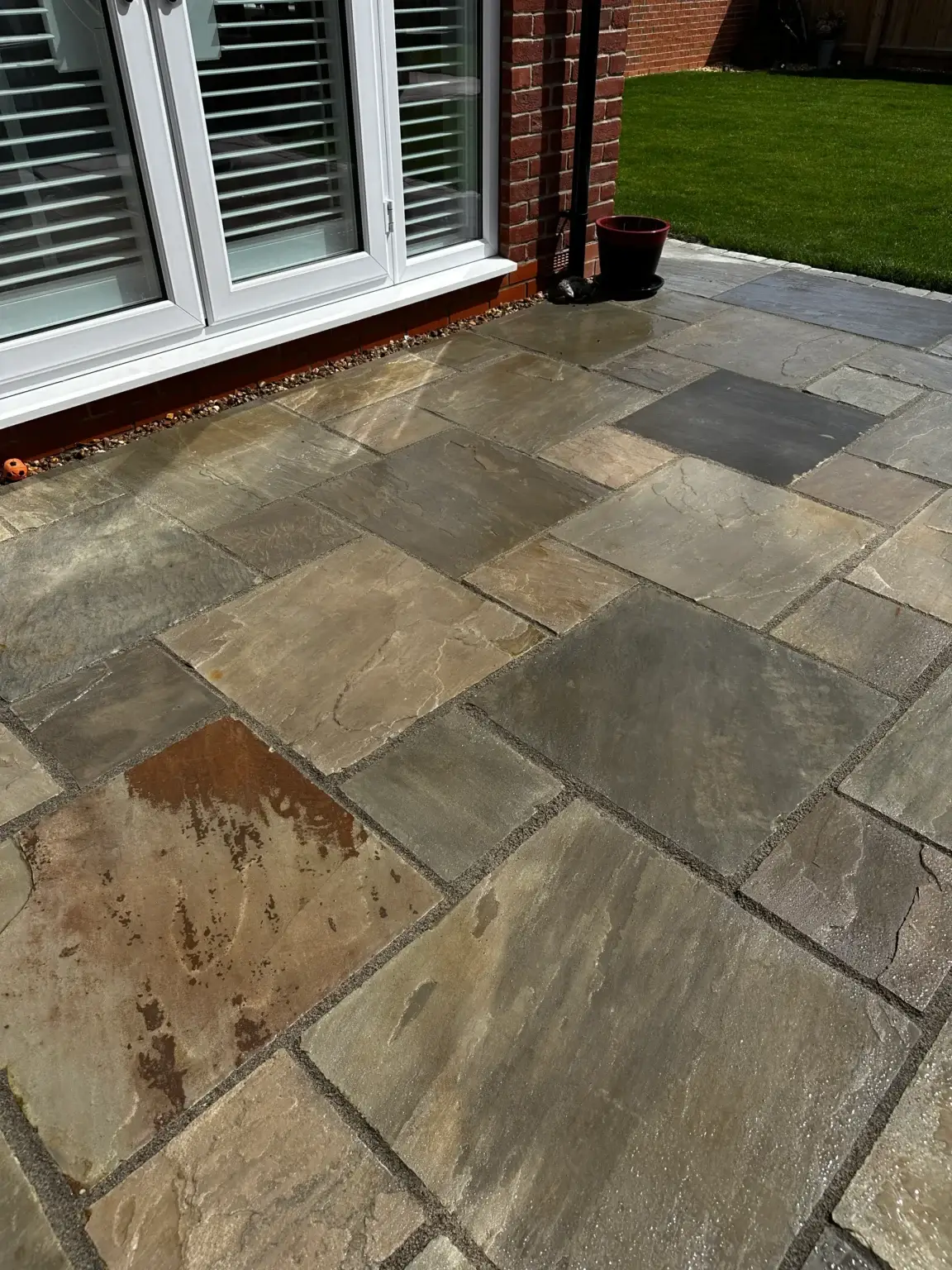
Most patio problems start in the joints.
Brushing, cleaning, weeding, jointing and sealing a patio, and when a patio needs relaying instead.
A patio is the part of the garden that gets the most use and the least attention. Porcelain paving, natural stone and concrete slabs all need a little upkeep to keep their finish through the year.
We are often asked how to make patios last. These five steps keep a patio looking right and stop small problems turning into a relay.
THE SHORT VERSION
- Brush the patio regularly to stop dirt, moss and weed seeds settling.
- Pressure wash carefully, keeping the jet off the joints.
- Pull weeds out by the root.
- Refill joints with jointing compound or kiln-dried sand.
- Check any sealer suits the paving before it goes on.
ON THIS PAGE
- The Quick Answer
- Regularly Brush Your Patio
- Power Wash Carefully
- Removing Moss and Algae From a Patio
- Stay on Top of Weeding
- Refill Patio Joints
- Apply a Patio Sealer
- Cleaning Porcelain, Sandstone and Block Paving
- When a Patio Needs Relaying
- What to Ask Before a Patio Is Relaid
- Frequently Asked Questions
- Areas We Cover
- Book Your Free Site Visit
The Quick Answer
A patio keeps its finish when it is brushed regularly, pressure washed with the jet kept off the joints, weeded by the root and has its joints refilled when they wash out. Any sealer must suit the paving before it goes on. Where slabs rock, sink or hold water, the problem is usually the groundwork, and the patio needs relaying. We lay, repair and relay patios in Lincoln, Gainsborough, Scunthorpe, Sleaford and the surrounding areas.
Regularly Brush Your Patio
Brushing is the simplest way to keep a patio in good order. A stiff outdoor broom clears the dirt, leaves, moss and seeds that lead to staining and weeds.
Brushing also stops weed seeds settling in the joints. Small weeds that have already come through can be brushed out before they root or spread.
Power Wash Carefully
Even with regular brushing, a patio picks up stains and weather marks. Warm, soapy water or a pressure washer gives it a deeper clean and brings the colour back.
With a pressure washer, work slowly and keep the jet off the joints. High pressure water loosens pointing and jointing compound.
Removing Moss and Algae From a Patio
Moss and algae grow on patios that stay damp and shaded. Brush off as much as possible first, then use a patio cleaner that suits the paving and rinse it off.
If the green comes back within weeks, the patio is holding water, usually because the falls are wrong or the joints are open. We relay and repair patios with that problem in Lincoln, Gainsborough, Scunthorpe, Sleaford and throughout Lincolnshire.
Stay on Top of Weeding
Weeds take hold in older or damaged joints. Left alone, they open the joints further, lift slabs and make the patio look untidy.
Pull weeds out by the root so they do not grow back or spread. Patios with wider or damaged joints need weeding more often.
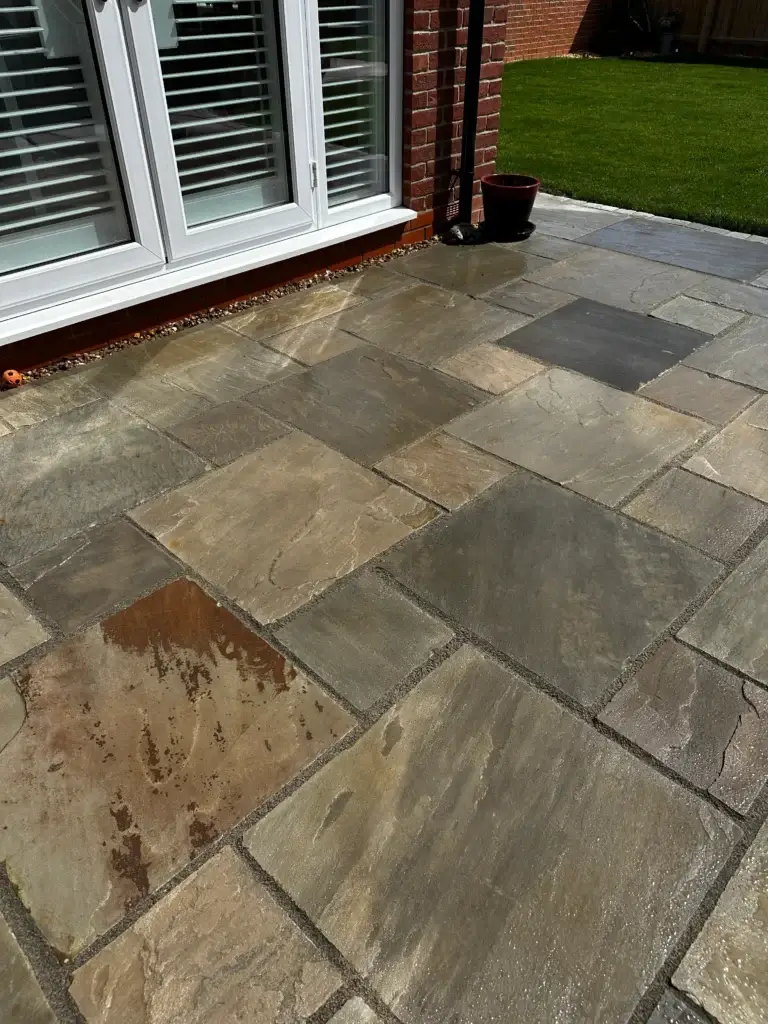
Patio moving, sinking or holding water?
We look at the slabs, the joints and the falls and tell you whether the patio can be repaired or needs relaying. It is all part of the free site visit.
Refill Patio Joints
Weeding and cleaning can wash out jointing sand or compound. Open joints let in more weeds and water, and over time the paving starts to move.
To keep the patio tight and tidy:
- Refill joints with kiln-dried sand for block paving
- Use a jointing compound made for slab paving
Full joints hold the slabs in place and stop them shifting.
Apply a Patio Sealer
Natural stone patios benefit from a sealer. It gives the stone a barrier against water, staining, algae and wear.
Check the sealer suits the paving before it goes on. Some sealers change the finish or mark porcelain and sandstone. Follow the manufacturer’s guidance on how often to reapply, which is usually every two to three years.
Most patios we relay were laid on spots of mortar, and that is why the slabs started to rock.
Reshape Landscaping Ltd, LincolnCleaning Porcelain, Sandstone and Block Paving
Each type of paving is cleaned a little differently. Porcelain needs only a brush and warm, soapy water, with a pressure washer on a low setting for stubborn marks. Sandstone and limestone are softer and more porous, so keep the pressure low and avoid acid cleaners, which can mark the stone.
Block paving is cleaned the same way, then kiln-dried sand is brushed back into the joints once the surface is dry. Our guide to porcelain paving covers why porcelain needs the least cleaning.
| Paving | Cleaning | Pressure washer | Joints | Sealer |
|---|---|---|---|---|
| PorcelainLeast upkeep | A brush and warm, soapy water. | A low setting for stubborn marks. | Jointing compound. | Not usually needed. |
| Sandstone and limestoneSofter stone | A brush and a stone-safe cleaner, never acid. | Low pressure only, kept off the joints. | Jointing compound or mortar. | Only a sealer made for that stone. |
| Block pavingSand jointed | Brushing and washing. | Allowed, with the sand brushed back in afterwards. | Kiln-dried sand. | Check it suits the blocks first. |
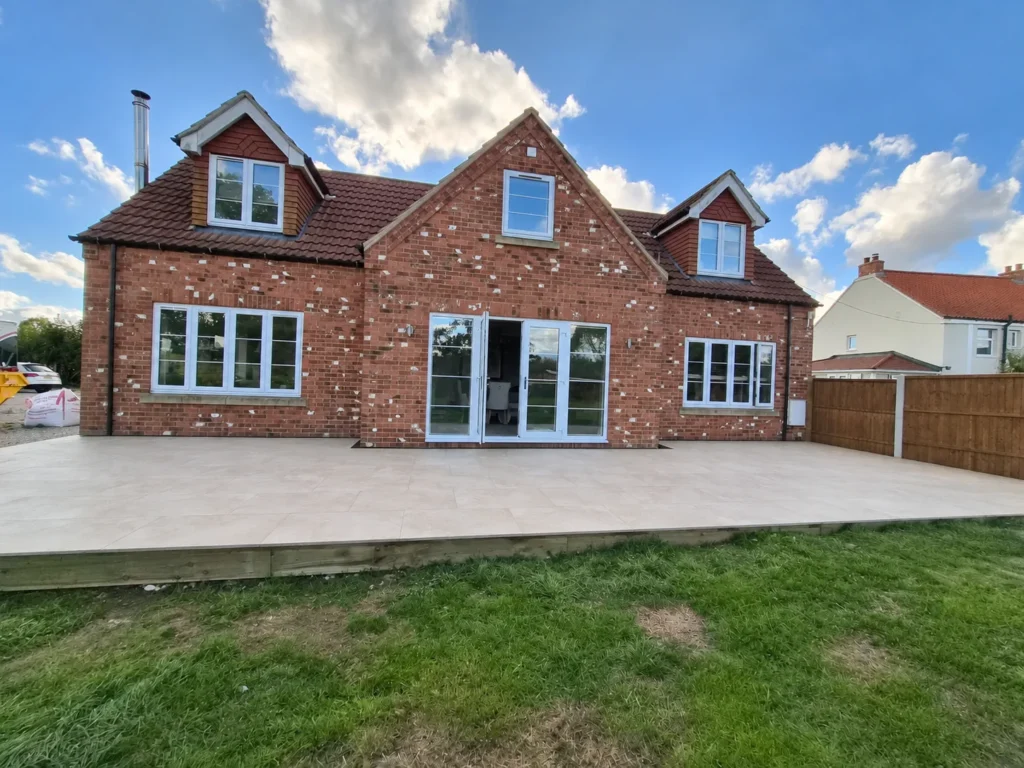
Recent projects
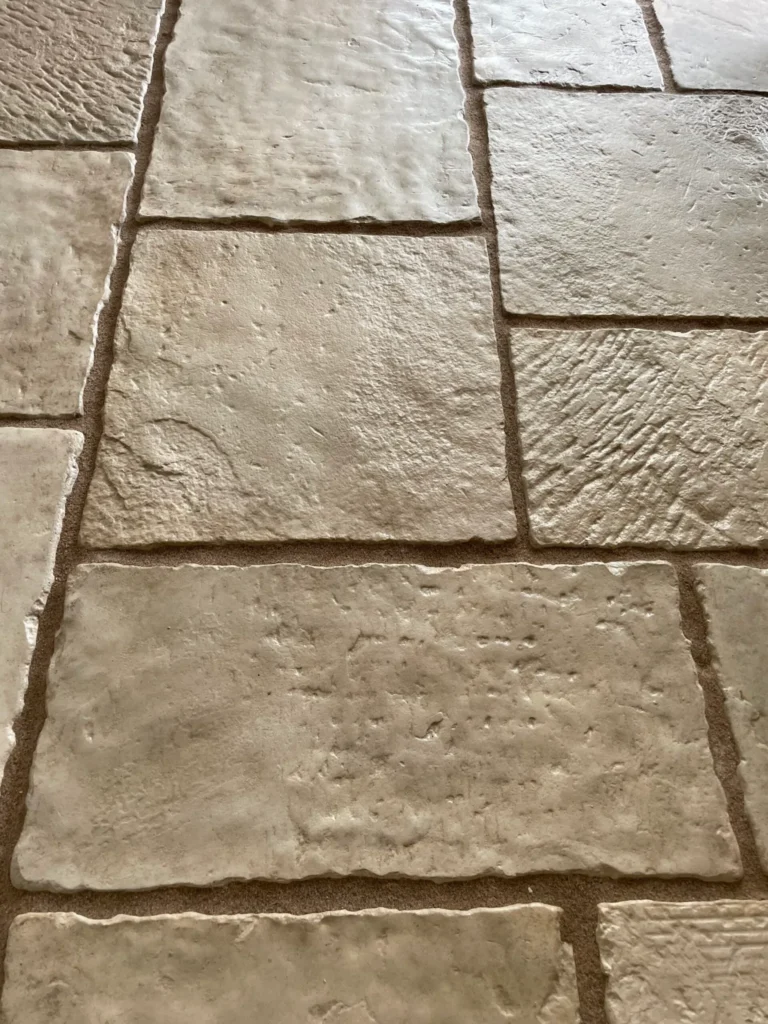
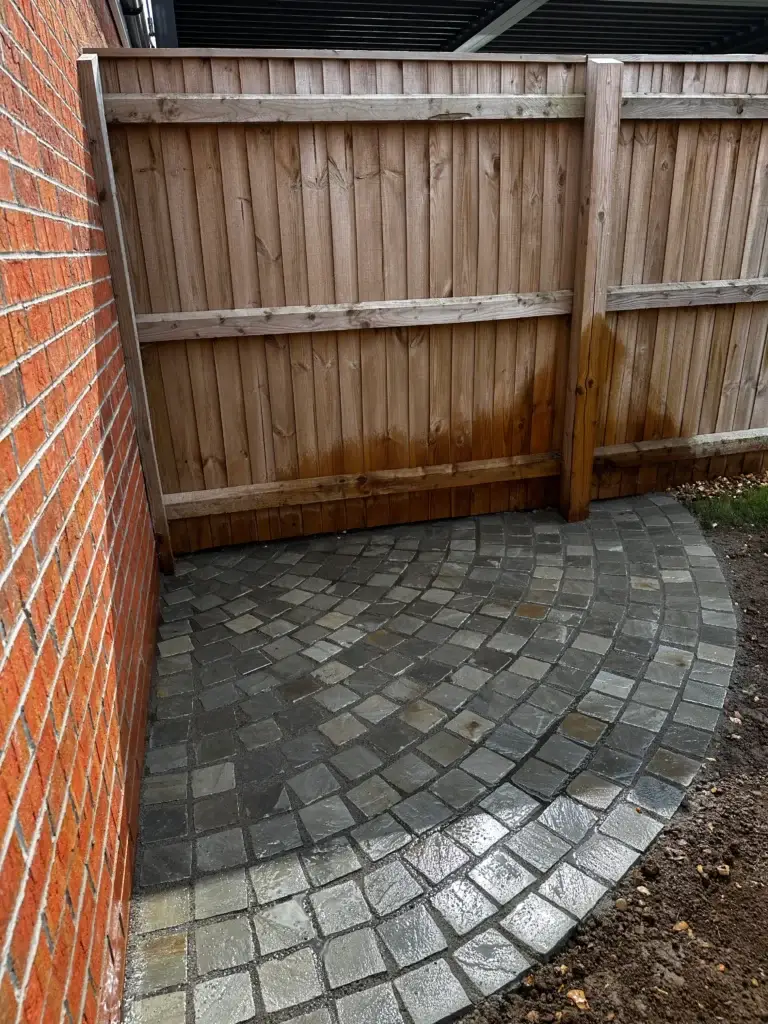
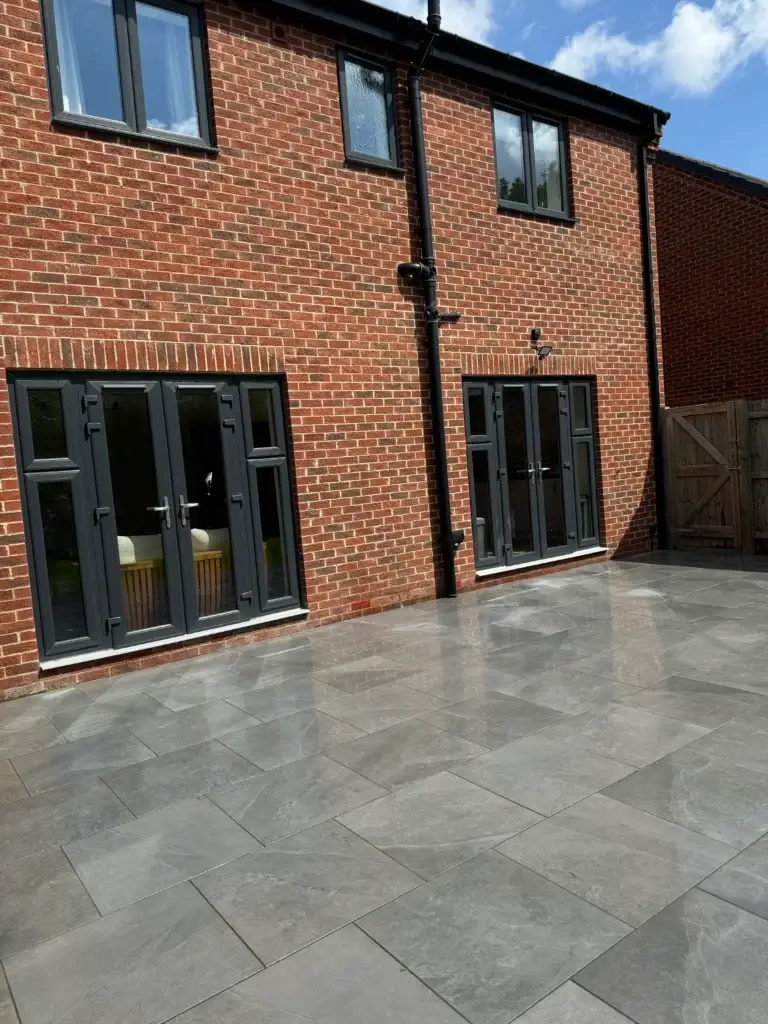
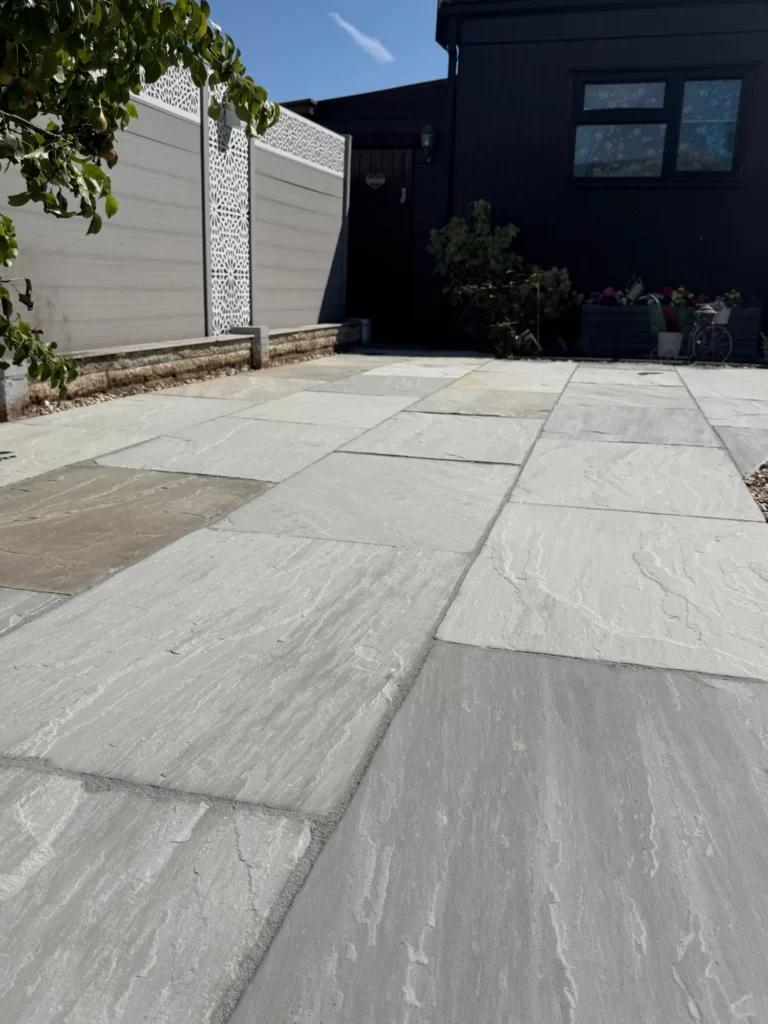
RECENT PATIO WORK
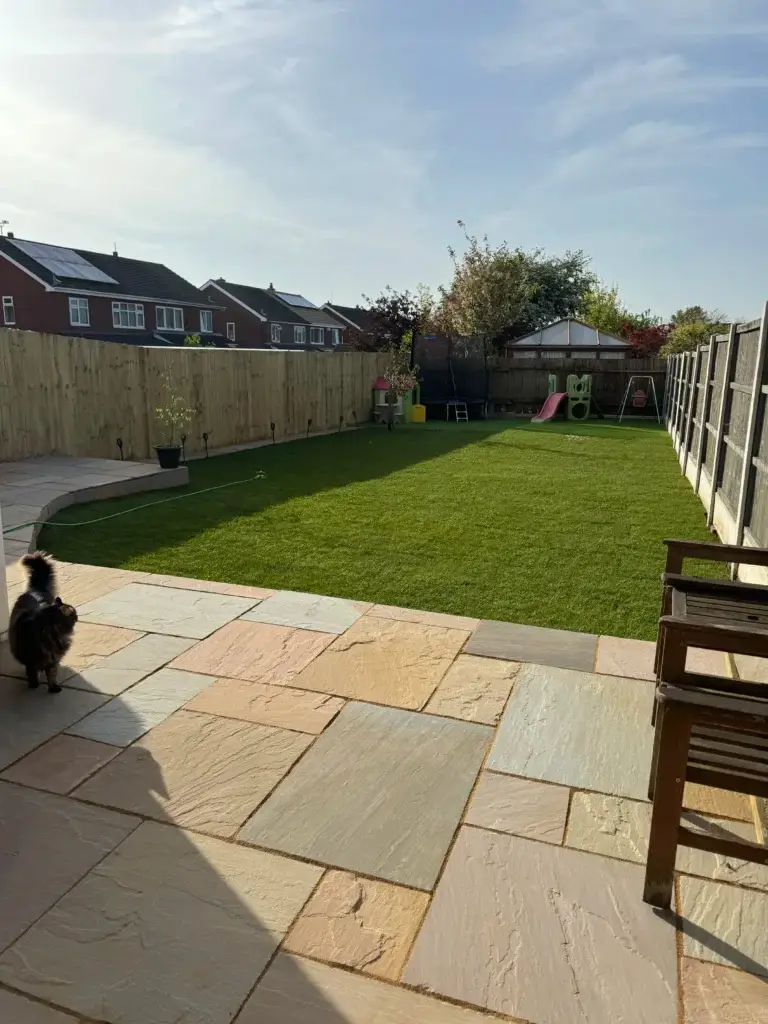
When a Patio Needs Relaying
Some patios cannot be put right with cleaning and jointing. Slabs that rock, sink or crack, water that sits on the surface or runs back towards the house, and joints that break up again soon after being refilled usually point to the groundwork underneath.
In those cases the patio is lifted and relaid on a new sub-base with the correct falls, reusing the slabs where they are sound. If someone offers to refill the joints on a patio that is moving, ask what will stop it moving again.
WHAT WE ARE FINDING ON SITE
A patio relay goes through seven stages, in this order. Our page on patios in Lincoln covers the service itself.
Site visit
We check the levels, the falls and the condition of the slabs, and agree what can be reused.
Lift
The slabs are lifted, cleaned and stacked if they are going back down.
Excavate
The old bedding and sub-base are dug out to the depth the new base needs.
Sub-base
A compacted MOT Type 1 sub-base is laid and set to the falls.
Lay
Every slab is laid on a full mortar bed, with porcelain primed first.
Joint
The joints are filled with a jointing compound that suits the paving.
Clean and clear
The patio is cleaned down and the spoil is taken away.
Explore the rest of what we do
What to Ask Before a Patio Is Relaid
Before booking a patio repair, ask whether the slabs will be relaid on a full mortar bed or on spots of mortar. Spot bedding is the most common reason slabs start to rock.
Ask which way the falls will run and where the water will go once it leaves the patio.
If a contractor skips any of the stages above, ask what they are leaving out and why.
It is also worth asking to see finished patios. Our recent projects and the patios gallery show completed work from across Lincolnshire.
WHY HOMEOWNERS PICK US
We are a British-owned and run landscaping company based in Lincoln, covering the city, Gainsborough, Scunthorpe, Sleaford and the surrounding areas.
- Established in 2010, with over 400 completed projects.
- Prestige Awards 2026 – Landscaper of the Year, Lincolnshire.
- Houzz 2026 Best of Service award, judged on customer feedback.
- Midlands Enterprise Awards 2026 – Best Bespoke Garden Landscaping Service, Lincolnshire.
- Approved installers for Talasey Landscaping Solutions and Select Living Group.
- Helped design and build a Japanese-inspired garden featured on ITV’s Garden of the Year.
- Qualified through the National Design Academy.
- Insured, including public liability.
Patio Maintenance: Frequently Asked Questions
How often should a patio be cleaned?
A brush every week or two keeps most patios clean, with a deeper clean once or twice a year, usually in spring and autumn.
Can a stained patio be cleaned?
Most marks lift with a stiff brush and warm, soapy water, or a pressure washer on a low setting. Rust, oil and leaf stains need a cleaner made for the type of paving, tested on a small area first.
How do I stop weeds growing between paving slabs?
Keep the joints full. Weeds root in gaps where the jointing has washed out, so refill them with jointing compound for slab paving or kiln-dried sand for block paving, and brush the patio regularly so seeds cannot settle.
Do you repair or relay patios?
Yes. We lift and relay patios that have sunk, rock or drain the wrong way, in Lincoln, Gainsborough, Scunthorpe, Sleaford and throughout Lincolnshire.
How do I get rid of green algae on a patio?
Brush it off, apply a patio cleaner that suits the paving and rinse it away. Avoid acid cleaners on sandstone and limestone. If it returns quickly, the patio is holding water and the falls or joints need looking at.
Should a patio be resealed every year?
Not usually. Porcelain rarely needs sealing, and natural stone sealers last a few years. Check the sealer suits the paving before it goes on, because some change the finish.
Areas We Cover
We lay, repair and relay patios in Lincoln, Gainsborough, Scunthorpe and Sleaford, and throughout the surrounding areas, including North Hykeham, Waddington, Bracebridge Heath, Branston, Washingborough, Cherry Willingham, Nettleham, Welton, Saxilby and Skellingthorpe.
Book Your Free Site Visit
We are Lincoln based landscapers and winners of the Prestige Awards 2026 Landscaper of the Year for Lincolnshire. We lay, repair and relay patios in Lincoln, Gainsborough, Scunthorpe and Sleaford, and throughout Lincolnshire. Our patios and paving page covers the paving we lay.
Every project starts with a consultation and a site visit. We then send a written quote setting out each stage of the work. Send your address and a few details of the garden and we will come back to you, or use our contact page.
We reply to every enquiry within 48 hours.
Keep reading
Get a Free Quote
We lay patios, paving and full gardens in Lincoln, Gainsborough and across Lincolnshire.